고정 헤더 영역

상세 컨텐츠
본문
SMALL
원본 기사: South Korea's nuclear sub talks with Washington have gone missing | Yahoo News
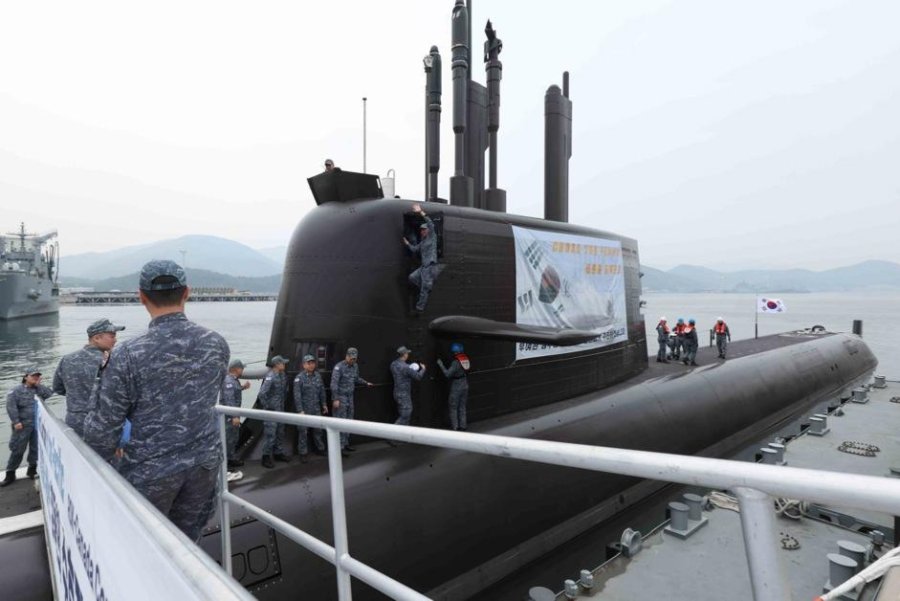
📌 핵심 요약
한미 양국이 핵추진 잠수함 프로그램 공동 추진에 원칙적으로 합의한 지 6개월이 지났지만, 후속 협상이 전혀 시작되지 않아 사업이 사실상 중단된 것 아니냐는 의혹이 커지고 있다.
More than six months have passed since South Korea and the United States agreed in principle to pursue a nuclear-powered submarine program, yet follow-up negotiations have never begun.
도널드 트럼프 전 대통령이 지난해 10월 한국의 핵추진 잠수함 프로그램을 승인하며 필라델피아 조선소를 특정했지만, 해당 조선소가 최근 1분기 대규모 영업 손실을 기록하며 재정난에 시달리는 것으로 알려져 사업 추진 능력에 대한 의문이 제기된다.
Recent developments have deepened those doubts. When President Donald Trump authorized South Korea's nuclear-powered submarine program Oct. 29, he announced on social media that the vessels would be built at Philly Shipyard -- the facility he singled out as "great." Since then, Hanwha Philly Shipyard posted operating losses of 48.1 billion won, or about $33 million, in the first quarter, with deficits widening.
핵잠수함 사업, 왜 이렇게 표류하나?
지난해 10월, 한미 정상회담에서 한국의 핵추진 잠수함 건조 협력이 합의된 이후, 미국은 실무 협상을 위한 실무진 파견을 계획했었다. 하지만 새해 초로 예정되었던 이 방문은 아직까지도 이루어지지 않고 있다. 한국의 핵잠수함 태스크포스(TF)가 몇 차례 워싱턴을 방문했지만, 이는 본협상이 아닌 예비 접촉 수준에 그쳤다고 한다. A U.S. inter-agency negotiating team was scheduled to visit South Korea early this year to discuss the program alongside expanded enrichment and reprocessing rights and broader shipbuilding cooperation. Not a single formal session has taken place. South Korea's nuclear submarine task force has made several trips to Washington, but these were preliminary contacts, not for substantive talks.
이러한 상황은 지난 5월 11일 열린 한미 국방장관 회담에서도 확인되었다. 한국 국방부는 회담에서 핵잠수함 관련 논의가 진전되기를 기대했지만, 발표된 공동 성명에는 핵잠수함에 대한 언급이 전혀 없었다. 오히려 한국 언론들은 양측이 서로 다른 이야기를 하고 있었다고 보도했다. 한국은 '한국 주도 반도방위'를 강조했지만, 미국은 '방위비 분담'에 집중했다는 것이다. Those doubts were compounded by the Korea-U.S. defense ministers' meeting at the Pentagon on May 11 -- the first encounter between Defense Secretary Pete Hegseth and Defense Minister Ahn Gyu-back since Trump's submarine authorization. Expectations were high, and South Korea's Defense Ministry had anticipated that possibility. Yet, the joint statement afterward contained no reference to nuclear submarines. South Korean media described the meeting as two sides talking past each other: Seoul pressed "South Korea-led peninsula defense," while Washington focused on burden-sharing.
결과적으로, 지난해 10월 경주에서 이루어진 '핵추진 잠수함 건조 협력'이라는 중대한 합의는 뒷전으로 밀려난 모양새다. 두 나라의 국방 수장이 만난 자리에서조차 서로 다른 우선순위를 내세우며 평행선을 달렸으니, 핵잠수함 프로그램이 사실상 테이블에서 치워진 것이 아니냐는 비관적인 전망이 점점 힘을 얻고 있다. Two ostensibly close allies conducted themselves as though facing each other across an adversarial table, making a once-unthinkable conclusion increasingly difficult to avoid: The nuclear submarine program may simply be off the table. The meeting was convened hastily, just one day before the Korea-U.S. Integrated Defense Dialogue began, itself a signal that difficult security exchanges lay ahead. The outcome was a failure to build upon the most significant achievement of last October's Korea-U.S. summit in Gyeongju, whose joint fact sheet had pledged cooperation on nuclear submarine construction.
예상치 못한 난관들, 무엇이 문제인가?
그렇다면 왜 이런 상황이 벌어진 것일까? 트럼프 전 대통령이 핵잠수함 프로그램 추진을 승인했을 당시, 그는 한미 동맹이 "그 어느 때보다 강력하다"고 선언했다. 하지만 현재 상황은 그때와는 사뭇 다르다. 한국 언론들은 이 침묵의 원인을 한국의 대미 투자 지연과 미국의 상장 기업인 쿠팡에 대한 한국 정부의 규제 조사 등으로 분석하고 있다. Why has it come to this? When Trump authorized the program, he declared the Korea-U.S. alliance "stronger than ever before." Tracing the cause is the only way to recover what has been lost. South Korean media have attributed the silence on submarines to delays in Korean investment in the United States and Seoul's regulatory investigation of Coupang, the U.S.-listed Korean e-commerce company.
이러한 요인들이 일부 영향을 미쳤을 수는 있지만, 작년 10월 승인 당시에도 존재했던 문제들이었기에, 현재 협상이 완전히 얼어붙은 이유를 설명하기에는 역부족이라는 지적이다. 오히려 더 근본적인 원인으로, 이란과의 전쟁을 둘러싼 한미 간의 긴장이 작용하고 있다는 분석이 설득력을 얻고 있다. These are factors. Yet, both tensions predated Trump's October authorization and did not prevent it, which suggests they are insufficient to explain why negotiations have frozen since. A more consequential explanation may be going unexamined: the strain between Seoul and Washington over the war with Iran.
이화여대 북한학과 박원곤 교수는 이러한 분석에 힘을 보탰다. 그는 "미국이 해상자유구축 참여 등 여러 요구를 하고 있는 상황에서, 한국이 원하는 것을 얻기보다는 숙제를 받을 가능성이 높다"고 언급하며, 핵잠수함 프로그램 역시 이러한 맥락에서 논의되지 못했을 가능성을 시사했다. Won Gon Park, a professor in the Department of North Korean Studies at Ewha Womans University, lends weight to this reading. In a published interview, he observed that the meeting took place "amid a situation in which U.S. demands are numerous, including participation in the Maritime Freedom Construct," and predicted Seoul was "more likely to be handed homework than to press for what it wants" -- submarines included.
실제로 미국은 호르무즈 해협에서의 항행의 자유 회복을 목표로 하는 '해상자유구축'에 한국의 참여를 강력하게 압박했을 가능성이 높다. 특히 최근 한국 선박이 이 해협 근처에서 피격당하는 사건이 발생한 이후, 미국 국방장관은 이 구상에 대한 지지를 공개적으로 표명해왔다. That prediction proved accurate. It is reasonable to assume Washington pressed hard for South Korean participation in the Maritime Freedom Construct, the U.S.-led framework aimed at restoring freedom of navigation through the Strait of Hormuz, of which Hegseth has been among the most vocal advocates since a South Korean cargo vessel, the HMM Namu, was struck and crew members killed near the strait.
거래 논리의 역전, 무엇을 요구하는가?
이러한 상황을 종합해 볼 때, 미국이 핵잠수함 문제를 의도적으로 회피했을 가능성이 크다. 트럼프 전 대통령의 작년 10월 승인이 한국 측의 구체적인 경제적 약속과 맞물려 이루어졌던 것처럼, 현재는 그 거래 논리가 역으로 작용하고 있는 것으로 보인다. 즉, 민감한 국방 기술 협력을 지속하기 위해서는 한국이 공유된 안보 부담에 대한 가시적인 기여를 해야 한다는 신호를 보내고 있는 것이다. Seoul appears to have focused the meeting on wartime operational control transfer, making it plausible that Washington deliberately sidestepped the submarine question. The underlying logic is not difficult to read: Trump's October authorization followed concrete Korean economic commitments made at Gyeongju. That same transactional logic now operates in reverse. Washington appears to be signaling that further cooperation on sensitive defense technology requires visible Korean contribution to shared security burdens.
'해상자유구축'은 공식적인 군사 동맹은 아니지만, 한국이 과거 이란 사태 당시 요구받았던 수준의 병력 파병까지는 아니더라도, 정보 공유, 외교적 압력 조율, 그리고 항행의 자유 보장에 대한 실질적인 기여 등을 통해 군사적 파트너에 가까운 역할을 요구하는 구상이다. The Maritime Freedom Construct is not a formal military alliance, nor does it demand the troop deployments South Korea was pressed for during the Iran conflict. But it requires a posture close to that of a military partner: sharing intelligence, coordinating diplomatic pressure and contributing meaningfully to freedom of passage.
한국 정부는 국제법, 동맹 의무, 안보 환경 등을 고려하며 참여 여부를 신중하게 검토 중인 것으로 알려졌다. 하지만 이러한 신중한 태도가 이미 대가를 치르고 있는지도 모른다. 흥미로운 점은 한국이 유럽 주도의 유사한 이니셔티브에는 적극적으로 참여하고 있다는 사실이다. Seoul is understood to be keeping participation open, weighing it against international law, alliance obligations and the security environment. That caution may already have exacted a price. The contrast with South Korea's posture toward the European-led initiative is striking. Even as trade tensions with Washington persist, including over tariffs on EU-made automobiles, Seoul has actively participated in the British- and French-led multinational effort.
이재명 대통령은 지난 4월 17일 프랑스 마크롱 대통령, 영국 스타머 총리와 함께한 화상 정상회의에 참석하여 "해협을 통한 항행의 자유 보장에 실질적으로 기여하겠다"고 약속했으며, 한국군 장교들은 4월 30일 영국 주도의 고위급 화상회의에도 참여했다. President Lee Jae Myung joined the video summit co-chaired by French President Emmanuel Macron and British Prime Minister Keir Starmer on April 17, pledging "a practical contribution to guaranteeing freedom of navigation through the strait," and South Korean military officers joined a general-officer-level video conference led by Britain and France on April 30.
이는 유럽 주도의 외교적 성격이 강한 이니셔티브가 미국과의 직접적인 연대에 비해 정치적 위험 부담이 적다고 판단하는 한국 정부의 계산이 깔려 있는 것으로 보인다. 결과적으로, 한국의 핵잠수함 사업은 현재 복잡한 국제 정세와 동맹국 간의 이해관계 충돌 속에서 표류하고 있으며, 향후 전망은 더욱 불투명해지고 있다. Seoul appears to calculate that a European-led, diplomatically framed initiative carries lower political risk than formal alignment with a U.
LIST
'시사' 카테고리의 다른 글
| 스타벅스 코리아 CEO 경질! 5·18 마케팅 논란의 전말 🔥 (0) | 2026.05.25 |
|---|---|
| 한일 정상, 6개월간 4번째 회동! 🤝 협력 강화 나선 이유는? (0) | 2026.05.24 |
| 북한 여자 축구, 남한 원정 승리! ⚽️ 드문 남북 스포츠 교류의 의미 (0) | 2026.05.24 |
| 칸 영화제 최고 각본상 주인공은? 🏆 'A Man of His Time'의 영광! (최신 정보 업데이트) (0) | 2026.05.24 |
| 북한 여자 축구, 역사 쓴 승리로 아시안컵 결승 진출! ⚽️ (0) | 2026.05.24 |


